
Improve Donor Retention with Data

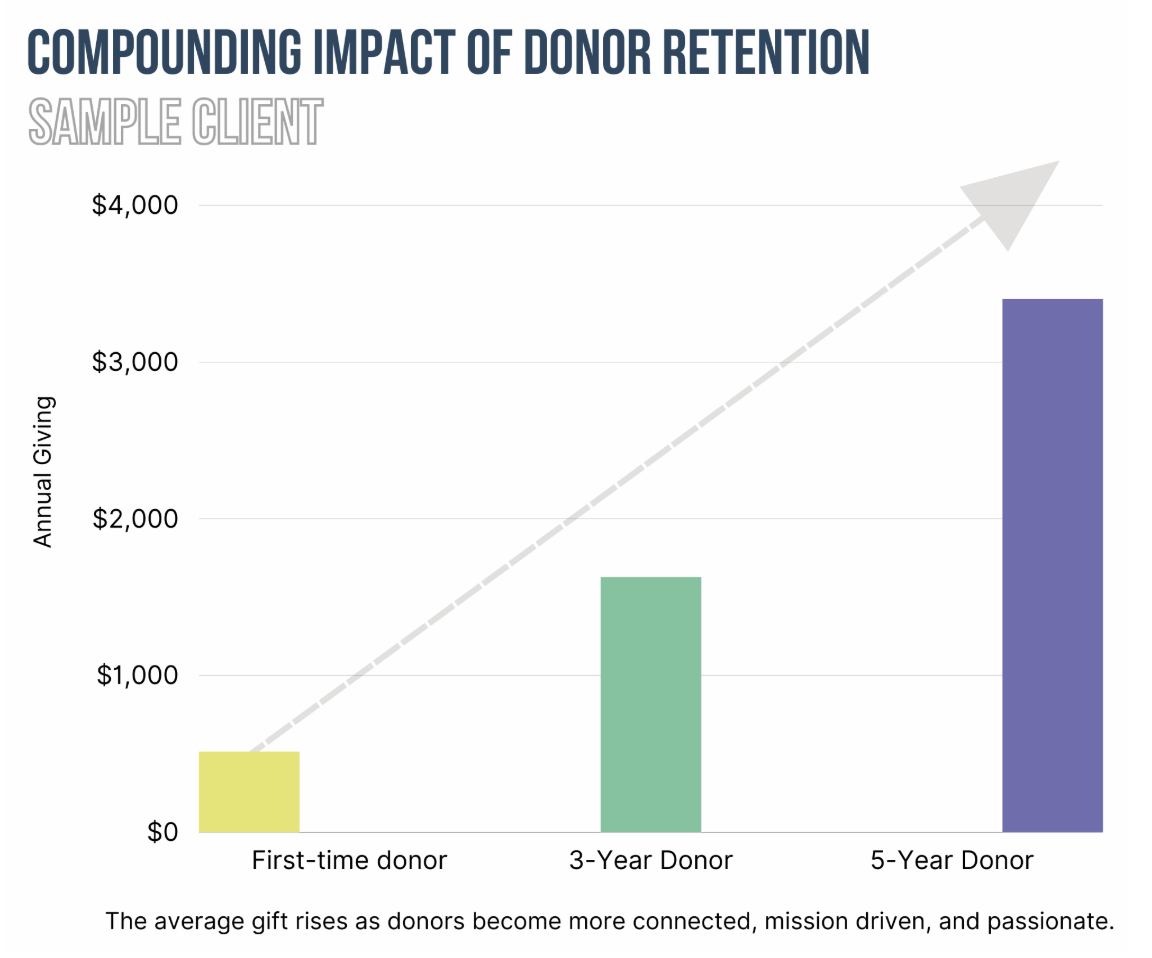
Donor retention is a constant challenge for nonprofits. In 2022, the average nonprofit retained less than half of its donors from the previous year, and the total number of donors was down 7.1% year over year, according to the Fundraising Effectiveness Project. With fewer individuals giving and less than half coming back each year, your development team’s donor retention efforts are more important than ever. Fewer returning donors also impacts the productivity of your development team; experts estimate that it can take anywhere from 2-10 times more resources to secure a new donor than keep an existing one.
Here are my top 10 tips on using data to improve donor retention:
1. Implement effective data management strategies to organize your donor pipeline including consistent tracking of fundraising volunteer activity.
2. Leverage donor analytics to segment and personalize appeals based on data about giving history, giving capacity, age cohort, how people have given in the past, and what the fundraising project is.
3. Utilize a moves management data tracking system by segmenting donors with your data and strategically elevating personal engagement.
4. Use data to identify your mid-level annual donors and inform a leadership giving strategy to identify who could increase their giving amount or frequency.
5. Track your organization’s multi-channel approach to ensure each of your donor segments is solicited more than once per year and understand which approach is most effective for each segment.
6. Use data to identify at risk donors and re-engage them with cultivation tools such as surveys and targeted communications. Examine your giving records and start with the most recently engaged donors and those most connected to your organization – a retired board member who has lapsed, a donor from last year, etc.
7. Understand how to navigate your database and use wealth screening for additional donor insights and improved donor segmentation.
8. Regularly clean and maintain your donor data records to ensure the accurate delivery of personalized donor communications.
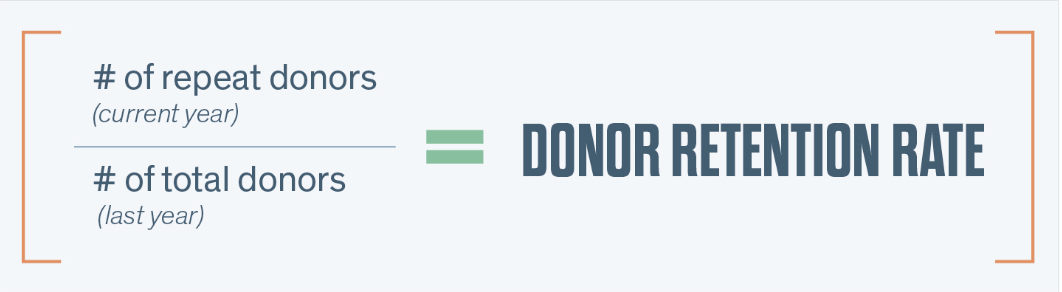
9. Monitor your donor retention rate through regular data reporting to identify patterns and adjust your donor engagement practices accordingly.
10. Update your fundraising team regularly with data-informed progress reports to highlight how often people give, and to which appeals. Using data in this way will help your organization prioritize prospects and encourage recurring and increased gifts.
CONTACT Stephanie
If you are interested in exploring opportunities to improve your donor data strategy, contact Stephanie today to see how we can help.
